By Isaac Tang
Nestled between skyscrapers in the Xujiahui district of Shanghai, Guangqi Park is a quiet oasis of greenery, unfrequented by tourists and untouched by the hectic commercialisation that is exploding around it. As a memorial to one of the most brilliant and unique individuals in the Ming dynasty who epitomised all the positives of intercultural exchange and collaboration, this park is a seriously underrated destination.
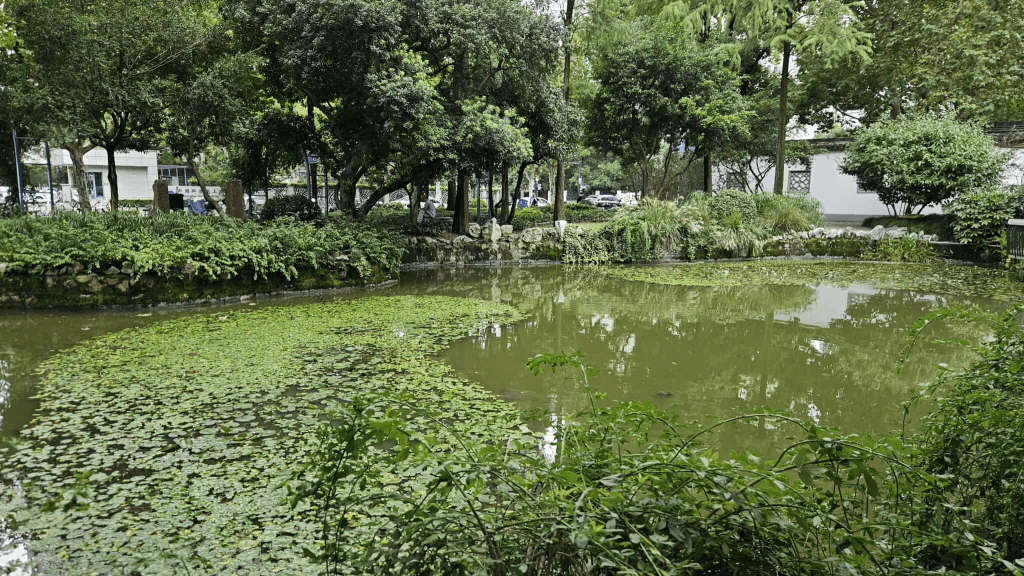
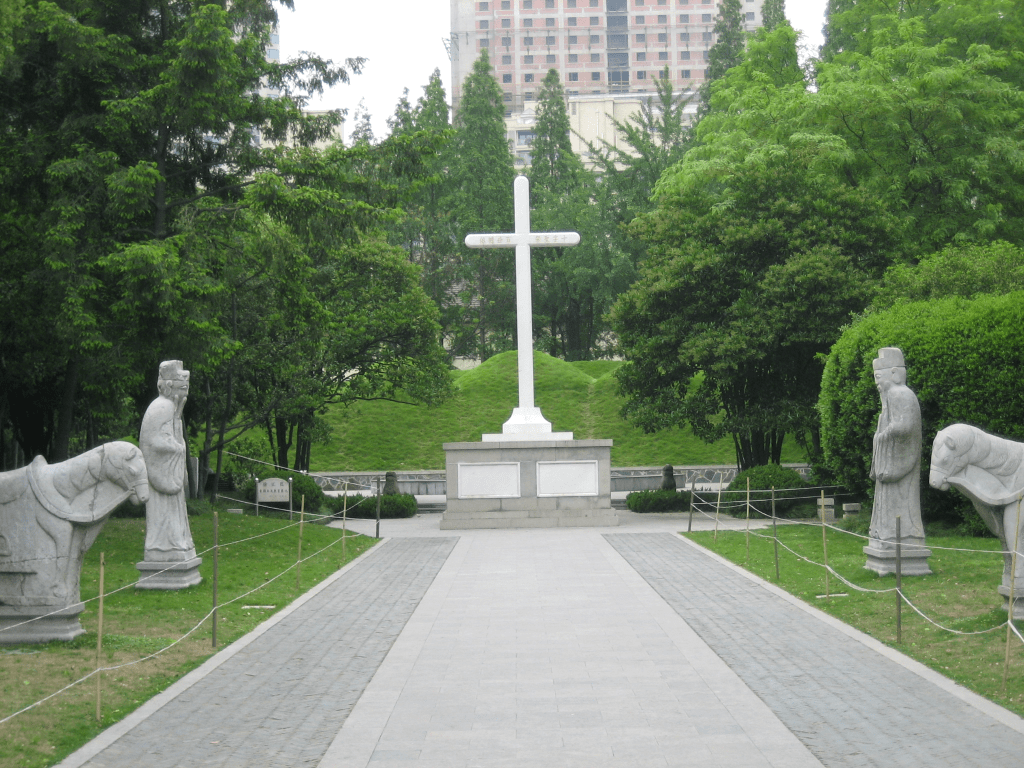
Arriving at Xujiahui Station, there was a long walk through an underground tunnel before the park is reached. There were hardly any people at Guangqi Park. Past the vase-shaped entrance and the quaint stone bridge crossing a small stream, the park’s vegetation exhibited a brambly and almost wild characteristic. It was a far cry from the celebrated Yu Gardens in Shanghai Old City, where everything was meticulously cared for, complete with strategically positioned pavilions, covered walkways and grand halls. However, it became immediately obvious that this park was not a standard Chinese garden. One’s attention was quickly drawn to a spirit way lined by stone animals leading towards a green mound guarded by a large white cross with both Chinese and Latin inscriptions. This was the resting place of Xu Guangqi, the Ming dynasty polymath and one of the first Catholic converts in China.
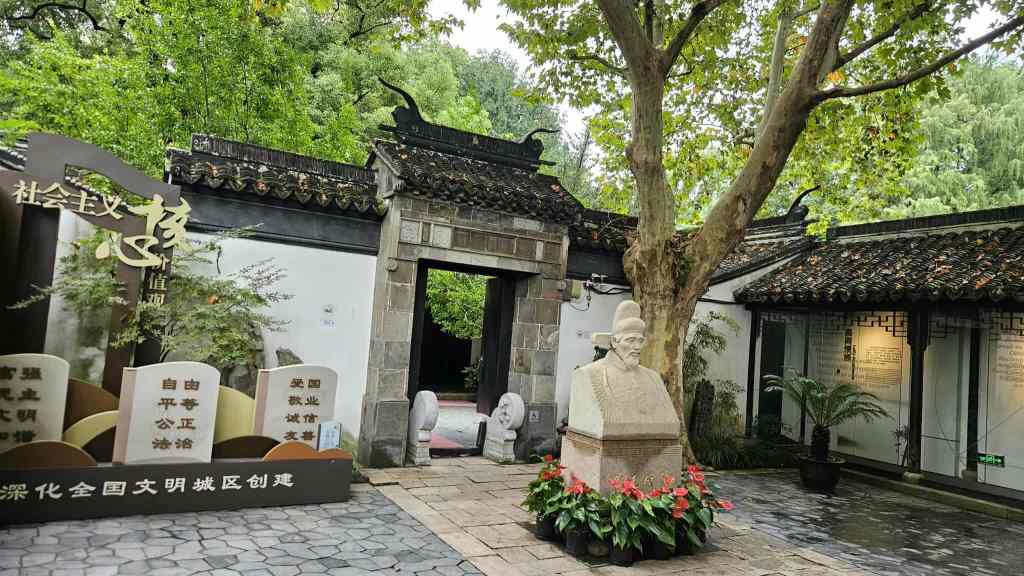
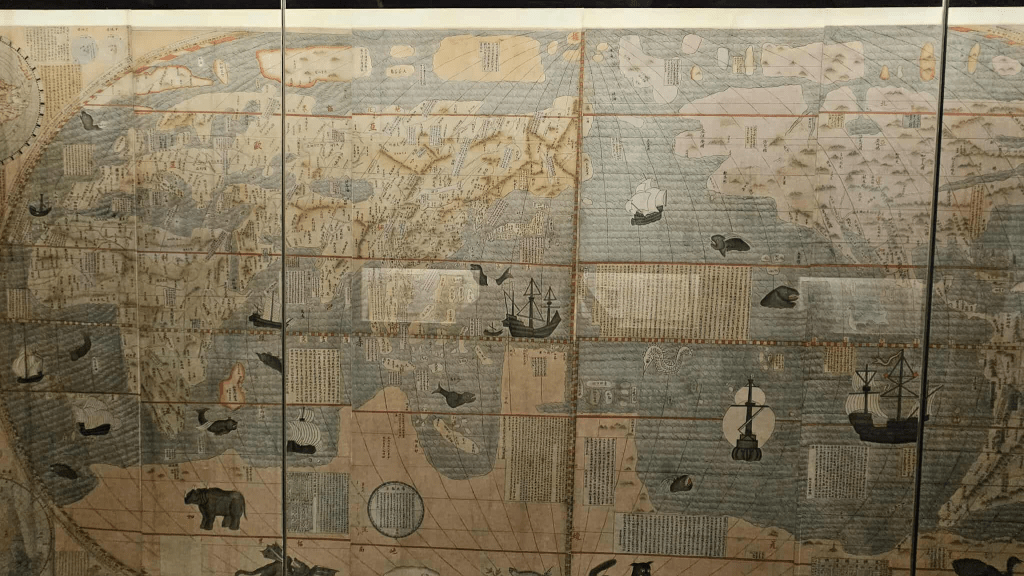
In this park, there was a Ming dynasty courtyard house that had been repurposed to be a memorial and museum for the life of Xu Guangqi. When I visited, the only other person around was a security guard almost lulled to sleep by the boredom and the warm humid air. It was a small but beautiful museum that nicely summarised Xu’s life with artefacts, documents, and Chinese and English descriptions. His work in translating Euclid’s Elements into Chinese, his scientific pursuits, and his interest in agriculture, promoting foods from the New World (e.g. sweet potatoes) and bolstering the defence systems of the dynasty were particularly extolled. The display of his writings, stone rubbings of stelae, an enormous map drawn by Jesuit missionaries and a telescope made integral contributions to the ability of the visitor to grasp the spectacular cultural exchange occurring at the time.
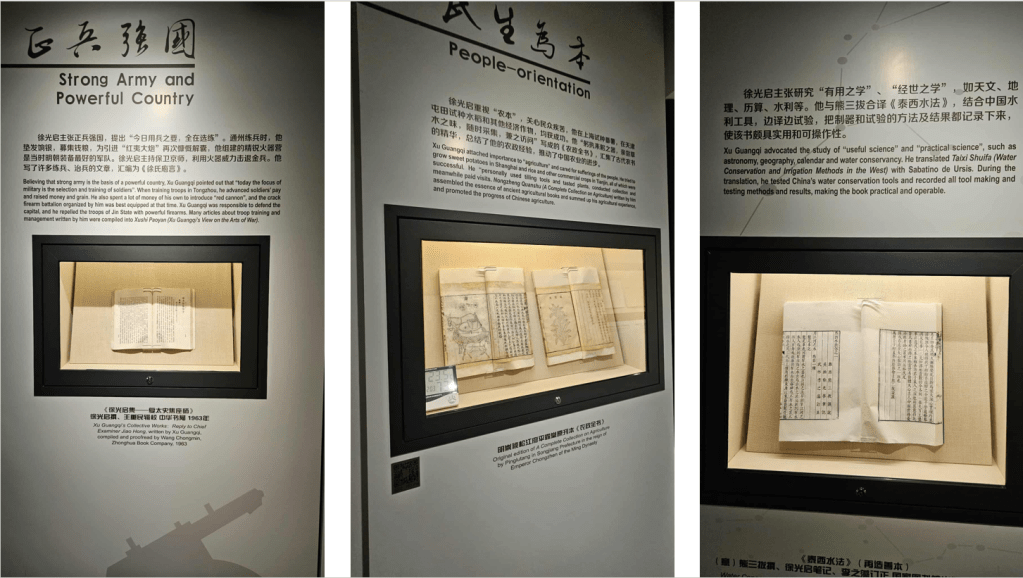
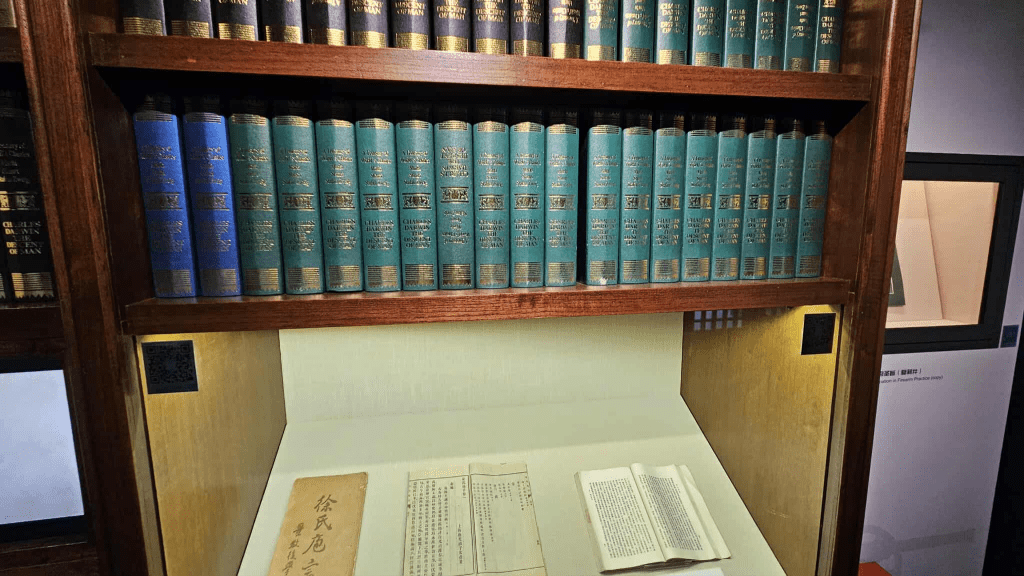
However, some aspects of his life were only briefly described—including his humble birth, his struggles through the Imperial Examination system, his sojourns through the southern regions of Guangxi and Guangdong where he first encountered the eminent missionary Matteo Ricci, and, importantly, his conversion to Christianity. The use of Charles Darwin’s ‘The Descent of Man’ to fill up the bookshelves above the exhibits was also rather strange when books by Euclid or the Jesuits would probably have made more sense.
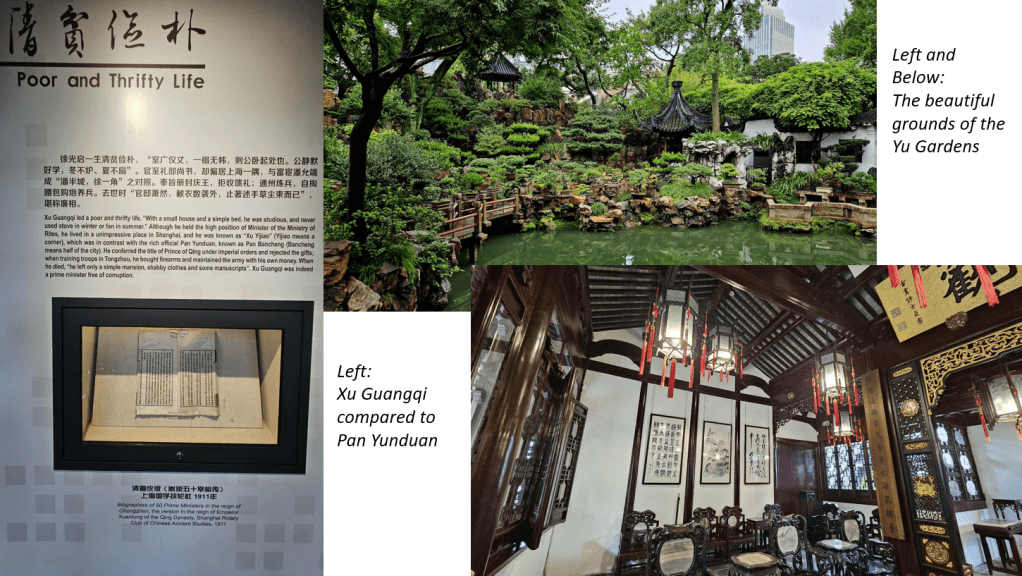
Despite these omissions, the museum made it very clear that Xu Guangqi left an impeccable legacy of righteousness and high moral standing. His humble and austere living conditions were contrasted with the lavish lifestyle of his contemporary Pan Yunduan, the original commissioner of the Yu Gardens, the expense of which eventually led to his family’s downfall. While Xu Guangqi was nicknamed as “One Corner” (Xu Yijiao) and Pan Yunduan as “Half a City” (Pan Bancheng), the former now has a cherished legacy as an important and beloved individual with an entire district in Shanghai bearing his namesake (Xujiahui), while the latter is mostly forgotten although his gardens still attract roving crowds of tourists to enjoy the fleeting pleasures of life.
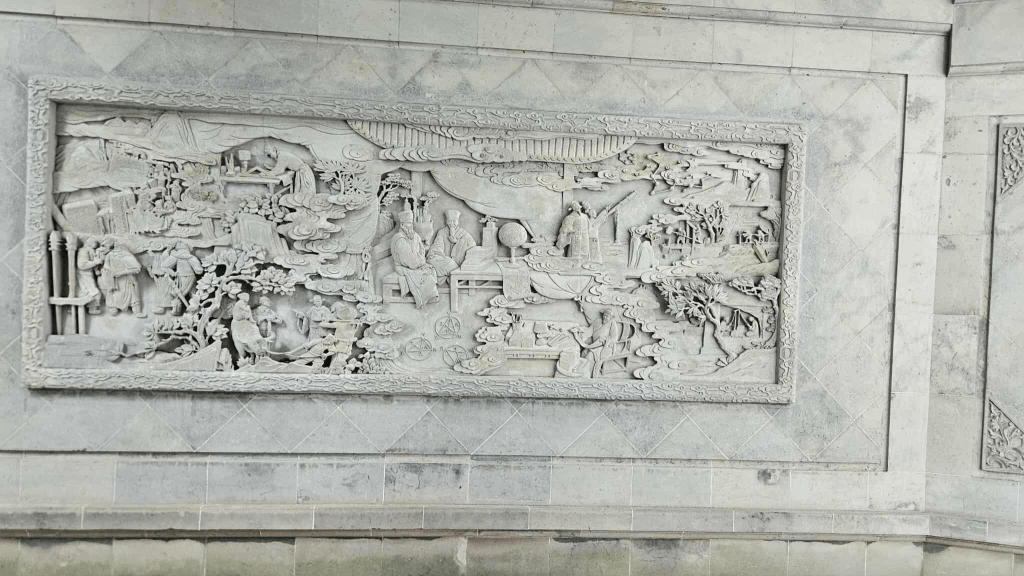
When I was leaving the park, I noticed a stone wall relief commemorating the friendship between Xu Guangqi and Matteo Ricci. It was a fantastical portrayal of their mathematical studies, astronomical observations and philosophical discussions, wreathed with wisps of clouds. The current world, fraught with conflicts and greed, has a lot to learn from the respectful and fruitful relationship between two curious individuals from opposite ends of the globe.


Leave a comment